
Winter Car Maintenance Tips from Transplant Transmission Complete Auto Care & Diesel | Downingtown, PA
Pennsylvania winters have a way of keeping us on our toes. One day it's 55 degrees and sunny, and the next we're scraping ice off the windshield before heading out the door.
While we're busy pulling out the winter coats, checking the snow shovels, and preparing for colder weather, there's something else that deserves a little attention: our vehicles.
Cold temperatures, icy roads, and unpredictable winter weather can put additional demands on your vehicle. A little preventative maintenance now can help reduce the risk of unexpected breakdowns and keep you moving safely throughout the season.
At Transplant Transmission Complete Auto Care & Diesel, we've been helping drivers throughout Downingtown and Chester County keep their vehicles running since 1989. Here are seven things we recommend checking before winter arrives.
1. Check Your Battery
If there's one thing Pennsylvania drivers know, it's that cold mornings can be tough. Unfortunately, cold temperatures can also make it harder for your vehicle's battery to deliver the power needed to start your engine.
A battery that works perfectly fine during warmer months may start showing signs of weakness when temperatures drop.
Watch for these warning signs:
Slower engine cranking when starting your vehicle
Dim headlights or interior lights
Clicking sounds when turning the key
A battery that's several years old
If your battery has been struggling, it's worth having it tested before the first really cold morning leaves you stuck in the driveway.
2. Inspect Your Tires
Your tires are your vehicle's only point of contact with the road, making them especially important during winter weather.
Rain, snow, ice, and freezing temperatures can all affect traction and handling. Before winter arrives, take a few minutes to check your tire condition.
Here's what to look for:
Adequate tread depth for proper traction
Uneven tire wear that could indicate alignment or suspension concerns
Proper tire pressure
Visible cracks, bulges, or other damage
Remember that tire pressure can decrease as temperatures drop. Check your pressure regularly and follow the recommended PSI listed on your vehicle's door-jamb sticker.
3. Check Your Vehicle's Fluids
Your vehicle relies on several different fluids to keep everything operating properly. As temperatures change, it's important to make sure those fluids are in good condition and maintained according to your manufacturer's recommendations.
A few important fluids to pay attention to include:
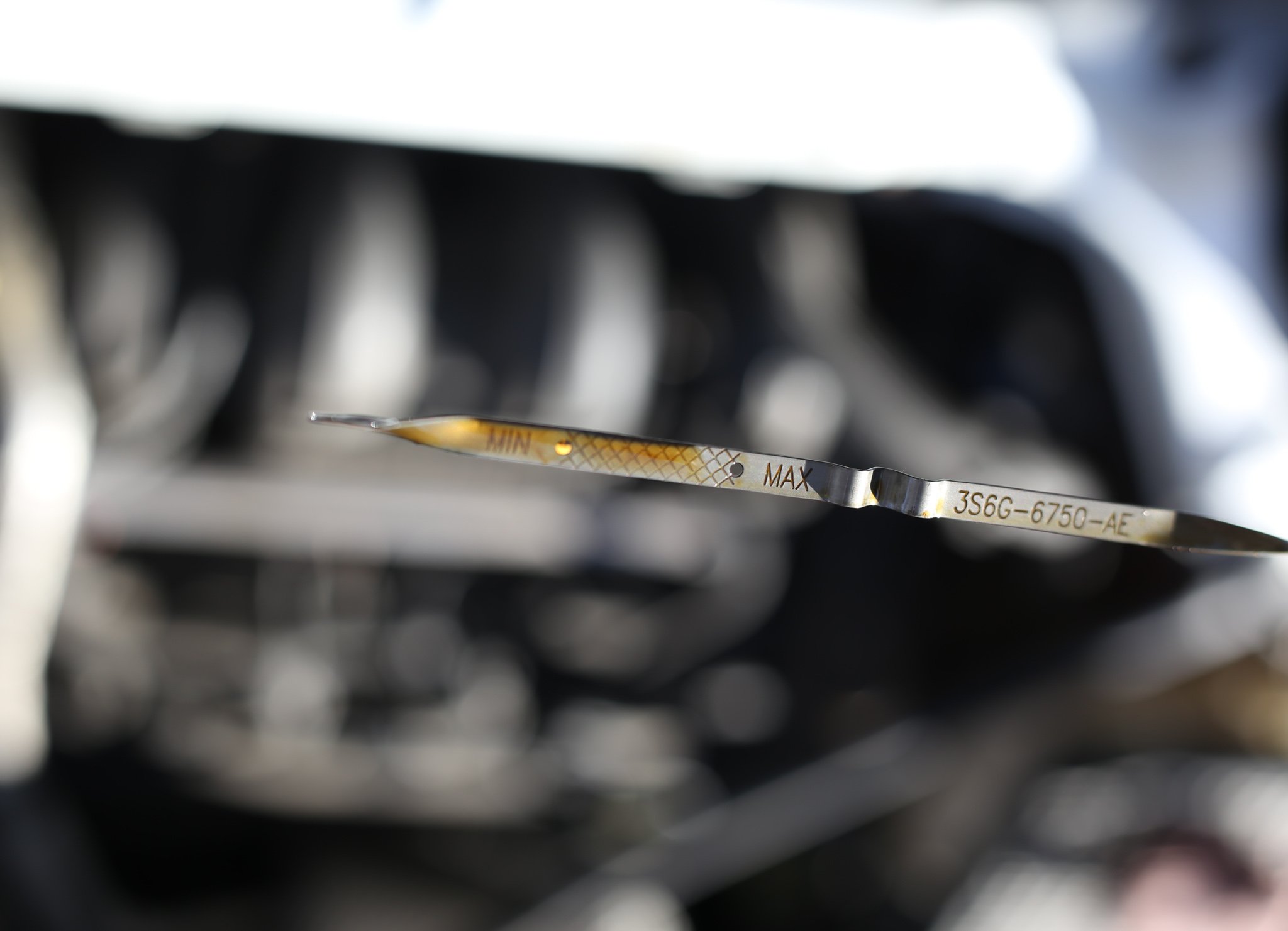
Engine Oil: Helps lubricate engine components and reduce friction. Make sure you're using the oil viscosity recommended by your vehicle manufacturer.
Coolant/Antifreeze: Helps regulate engine temperature and protects against freezing. Proper coolant concentration is especially important during colder months.
Transmission Fluid: Helps lubricate and protect transmission components while supporting proper operation. Low or deteriorated fluid can contribute to transmission problems.
Windshield Washer Fluid: Make sure you're using a winter-rated formula that can withstand freezing temperatures. You don't want to run out when the roads are covered in salt and slush!
4. Pay Attention to Your Transmission
Your transmission plays a major role in keeping your vehicle moving, and winter is not the time to ignore unusual symptoms.
While cold temperatures can temporarily affect how a vehicle behaves, persistent or unusual shifting issues should never be dismissed.
Keep an eye out for:
Delayed engagement when shifting into drive or reverse
Slipping or unexpected changes in gears
Unusual whining, humming, or grinding noises
Shuddering or vibrations
Fluid leaks beneath your vehicle
If you notice any of these symptoms, give our team a call today to schedule a service.
At Transplant Transmission, transmission service and repair are a core part of what we do. Catching potential problems early can help you avoid more extensive repairs down the road.
5. Don't Forget Your Brakes
Winter driving often means wet roads, snow, ice, and reduced visibility. Having properly functioning brakes is essential for safe driving in any season, but especially when road conditions become unpredictable.
Before winter sets in, have your braking system inspected if you notice:
Squealing, grinding, or unusual noises
Vibrations when braking
A brake pedal that feels soft or spongy
Your vehicle pulling to one side when stopping
Don't wait until a small concern becomes a bigger problem. Your braking system deserves attention before winter driving conditions arrive.
6. Prepare Your Diesel Vehicle for Colder Weather
Diesel owners have a few additional things to think about when temperatures start dropping.
Cold weather can create unique challenges for diesel engines, particularly when it comes to fuel and starting performance.
A few important things to keep in mind:
Check your fuel filter: A properly maintained fuel filter is important for reliable diesel performance.
Monitor your water separator: Water contamination in diesel fuel can create problems, especially in freezing conditions.
Use appropriate winter diesel fuel: Seasonal diesel blends help reduce the risk of fuel gelling in colder temperatures.
Check your glow plugs: If your diesel vehicle is having trouble starting, its glow plug system may need attention.
Stay on top of routine maintenance: Following your manufacturer's recommended service intervals helps keep your diesel running reliably.
If you drive a diesel truck or vehicle, don't overlook seasonal maintenance. A little preparation can go a long way when temperatures really start to drop.
7. Don't Ignore Warning Lights or Unusual Sounds
We've all been there. A warning light comes on, you hear a strange noise, or your vehicle starts feeling a little different.
It's easy to put off getting it checked, especially when life gets busy.
But your vehicle often gives you warning signs before a problem becomes more serious.
Whether it's a check engine light, an unfamiliar vibration, or a noise you can't quite identify, it's worth having it looked at.
The sooner you understand what's happening, the more options you may have for addressing the issue.
A Little Preparation Goes a Long Way
Winter weather in Pennsylvania is unpredictable, but your vehicle maintenance doesn't have to be.
Taking the time to check your battery, tires, fluids, brakes, and transmission can help you feel more confident heading into the colder months.
At Transplant Transmission Complete Auto Care & Diesel, we're proud to be a family-owned, second-generation business serving Downingtown and the surrounding Chester County community since 1989.
From transmission repair to complete auto care and diesel services, our team is here to help keep you and your vehicle moving.
Don't wait for the first snowstorm to think about winter maintenance.
Need to get your vehicle ready for winter? Contact Transplant Transmission Complete Auto Care & Diesel today to schedule an appointment.
📍 1040 Boot Road, Downingtown, PA
🌐 transplanttransmission.com
Your local team for complete auto care and diesel service.